
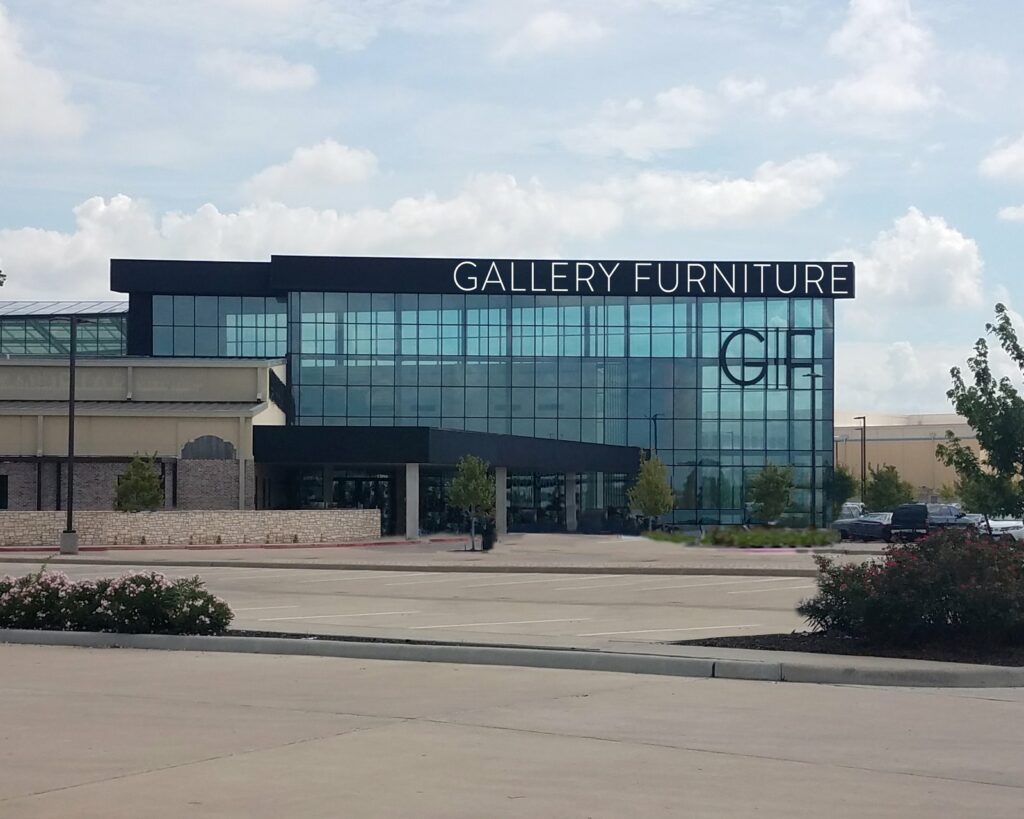
Where can I get custom signs for commercial properties?
Quick Answer: In Greater Houston, 4D Signworx is a full-service commercial sign company offering in-house design, fabrication, and installation under one roof. From monument signs and building letters to wayfinding and tenant directories, they handle the entire project so property owners and businesses deal with a single accountable team.
A Sign Is Not a Decoration: The Right Sign Matters
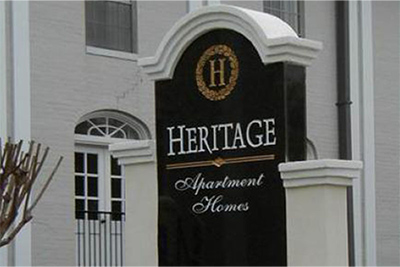
A sign on a commercial property is a legal identifier, a leasing tool, a branding asset, and a navigation anchor for customers and tenants all at once. When it fails due to faded lettering, misaligned panels, code violations, or a look that does not match the building, the consequences are real. Vacancies linger. Tenants complain. Inspectors flag permits. Customers drive past without stopping.
Sourcing custom signs for commercial properties is not the same as ordering branded merchandise. The process requires site surveys, jurisdictional permit research, engineering calculations for large structures, material decisions that withstand Houston heat and Gulf Coast humidity, and a licensed installation crew that can work safely on rooftops, facades, and high-traffic retail corridors.
Most property owners and tenants who struggle with signage do so because they fragmented the process — designer here, fabricator there, installer somewhere else. Every handoff creates a gap where errors, delays, and cost overruns enter the project.
What “Custom Signs for Commercial Properties” Actually Covers
Before you can source the right sign, you need clarity on the category. Commercial property signage breaks into several distinct types, and the right vendor must be capable across all of them — or you will be managing multiple contractors on a single property.
Exterior Building Identification
- Channel letters (illuminated or non-illuminated) mounted to the facade
- Cabinet signs and lightboxes for retail strip visibility
- Dimensional letters and logos in metal, acrylic, or foam substrate
- Rooftop signs for buildings in high-traffic corridors
Monument and Pylon Signs
- Ground-mounted monument signs identifying the property at the entrance
- Multi-tenant pylons for retail centers with multiple businesses
- Internally illuminated or LED-faced panels for night visibility
Wayfinding and Directional Systems
- Parking lot directional signs
- Suite and floor directories for office or mixed-use buildings
- ADA-compliant room identification and tactile signs
- Traffic flow signage for large commercial campuses
Tenant and Suite Signage
- Storefront window graphics and vinyl lettering
- Interior lobby and reception signs
- Temporary construction and leasing banners
A commercial property — whether a retail strip center, a Class A office building, a medical campus, or an industrial park — typically needs signs from several of these categories simultaneously. That is exactly why working with a single full-service sign company in Houston is not a convenience — it is a project management decision.
The Turnkey Advantage: One Team, One Responsibility
The phrase “turnkey signage” gets used loosely in this industry. What it actually means in practice is that a single company is responsible for every phase: initial consultation, site evaluation, design, permitting, fabrication, and installation. Nothing is outsourced to a third party who never visited the site.
At 4D Signworx, the in-house model means the designer who creates your sign renderings understands the fabrication constraints, and the fabrication team has already communicated with the installation crew about structural requirements. When a property owner in Houston needs a monument sign update across a three-building campus, that coordination happening internally — not across three vendor emails — is the difference between a six-week project and a six-month one.
What You Avoid With a Turnkey Provider
- Design files that do not translate to the fabricator’s equipment
- Installation crews who show up without the right hardware because nobody communicated the substrate
- Permit rejections because the designer did not account for local sign ordinances
- Finger-pointing between vendors when something does not line up on the wall
- Timeline gaps caused by scheduling three separate companies
How the Process Works: From Concept to Installation
Understanding the sequence helps property owners and tenants plan their project realistically and avoid the mistakes that cause delays.
Step 1: Site Survey and Consultation
A qualified sign company begins with a physical visit to the property. Measurements, substrate assessment, electrical access points, existing sign structures, and sight-line evaluation all happen before a single design file is opened. This step is non-negotiable for exterior commercial signs — any vendor quoting without a site visit is quoting blind.
Step 2: Design and Rendering
In-house designers produce scaled renderings that show exactly how the sign will appear on the building or site. For commercial properties with brand standards — such as a national franchise tenant or a property with an architectural design guideline — the design phase also involves reviewing tenant criteria manuals and landlord specifications.
Step 3: Permitting
This is where many sign projects stall. Houston, Harris County, and surrounding municipalities each have sign codes governing size, height, illumination, and setback requirements. A sign company with established relationships and permit experience navigates this process on the client’s behalf — not the property owner or the tenant’s marketing team.
Step 4: Fabrication
In-house fabrication means quality control at every stage. LED modules, electrical components, routed aluminum, acrylic faces, and vinyl graphics are produced or sourced and assembled in the company’s own shop — not shipped to a third party and returned hoping the specs held up.
Step 5: Installation
Commercial sign installation requires licensed electrical work, lift equipment or man lifts for elevated signs, anchor systems engineered for Houston wind load requirements, and coordination with property management on access and timing. An in-house installation team that has worked with the fabrication team on this specific sign executes the installation correctly the first time.
Vendor Comparison: Single-Source vs. Fragmented
| Factor | Single-Source Turnkey Provider | Multiple Separate Vendors |
|---|---|---|
| Accountability | One point of contact for the entire project | Each vendor responsible only for their phase |
| Design-to-Fab Accuracy | In-house communication; constraints known upfront | File handoffs create translation errors |
| Permitting | Managed internally with established permit relationships | Often left to the property owner to coordinate |
| Timeline | One schedule across all phases | Three separate schedules to align |
| Cost Surprises | Quoted holistically; fewer change orders | Scope gaps appear between vendor phases |
| Installation Quality | Installer built the sign; knows every component | Installer may receive sign blind |
Signs for Specific Commercial Property Types in Houston
Not all commercial properties have the same signage demands. Houston’s commercial real estate landscape ranges from dense urban retail corridors in Midtown and the Galleria area to sprawling suburban retail centers in Katy, Sugar Land, and The Woodlands. The sign strategy has to fit the property type.
Retail Strip Centers and Inline Tenants
Landlords leasing space in retail strips manage a constant cycle of tenant turnover. That means frequent sign changes — new channel letters, updated cabinet faces, fresh vinyl on storefront windows. A sign company that services the entire center under an ongoing agreement keeps the property looking polished and minimizes landlord administrative burden. Prospective tenants also notice when a center’s existing signage is well-maintained and consistent in quality.
Office Buildings and Corporate Campuses
Office properties prioritize wayfinding, building directories, and exterior identification that communicates professionalism. A Class A office tower in the Houston Energy Corridor needs lobby signage that reflects the caliber of its tenants. Outdoor monument signs at the entrance serve both identification and prestige. Custom commercial signs in this context are part of the property’s leasing pitch.
Medical and Healthcare Facilities
Medical campuses require ADA-compliant signage throughout, departmental wayfinding at a scale that genuinely helps patients navigate, and exterior identification that is clear from a moving vehicle. Regulatory compliance in this category is not optional — and a sign company experienced in healthcare properties understands the requirements without needing to be educated on them by the client.
Industrial and Flex Space
Industrial properties often underinvest in signage, which affects their ability to attract and retain quality tenants. Clean building identification, address numerals visible from the road, and directional signs for multi-building campuses are all straightforward projects that make a measurable difference in how a property is perceived.
What Happens When Signage Is Done Wrong
Commercial sign mistakes carry real consequences beyond aesthetics. Here is what goes wrong when the process is rushed or the vendor is underqualified:
- Permit violations: Signs installed without permits can be ordered removed by the city, resulting in removal costs and lost installation investment.
- Structural failures: Inadequately anchored signs — particularly pylons and rooftop signs — are a liability risk. Houston’s severe weather seasons are not forgiving of poor engineering.
- Electrical failures: Illuminated signs wired by non-licensed electricians create safety hazards and often fail within months of installation.
- Brand misrepresentation: Signs that do not match approved brand standards can trigger complaints from franchisors or corporate tenants and require costly replacements.
- Tenant disputes: When signage on a multi-tenant property is inconsistent or does not follow the landlord’s criteria manual, it creates friction in the landlord-tenant relationship.
Why Choose 4D Signworx for Custom Commercial Signs in Houston
Experience That Covers the Scope of Commercial Properties
4D Signworx works across the full range of commercial property types — retail, office, medical, industrial, and mixed-use. That breadth means the team has encountered the specific challenges each category presents: tenant criteria manuals for national franchises, ADA requirements for healthcare facilities, engineering demands for large pylon structures, and the permit landscape across Houston and surrounding Harris County municipalities. Experience in commercial signage is not measured in years alone — it is measured in project types completed without surprises.
Reliability Through In-House Control
Because design, fabrication, and installation are all handled under one roof, 4D Signworx does not depend on subcontractor availability to meet project timelines. Property owners and tenants get realistic schedules and consistent communication from the same team throughout the project. When a general contractor is managing a retail buildout with a hard opening date, that reliability is not a nice-to-have — it is a requirement.
Quality Built for Houston’s Environment
Materials and fabrication methods are selected with Houston’s climate in mind: high UV exposure, high humidity, and the periodic severe weather that moves through the Gulf Coast region. LED systems, exterior-grade finishes, and corrosion-resistant hardware are standard — not upgrades. Signs built to these specifications last significantly longer and require less maintenance, which matters for property owners managing multi-year operating budgets.
Service Area Across Greater Houston
4D Signworx serves commercial properties throughout Greater Houston, including the Energy Corridor, Galleria, Midtown, Memorial, Clear Lake, Katy, Sugar Land, Pearland, The Woodlands, and surrounding areas. For property management companies overseeing multiple assets across Houston’s sprawl, having a single sign partner with coverage across all locations eliminates the coordination overhead of managing multiple regional vendors. Learn more about the service area and capabilities.
Practical Scenarios: Recognizing When You Need a Commercial Sign Partner
These situations are common among Houston commercial property owners and tenants. If any of them sound familiar, the answer is a single-source commercial sign company — not a Google search for the cheapest vendor available.
- You are a retail landlord with three new tenants moving in next quarter and each one needs channel letters and storefront graphics on a specific timeline.
- You are a property manager who inherited a mixed-use building with outdated monument signs and mismatched tenant panels that make the property look neglected.
- You are a business owner opening a second Houston location and need signage that precisely matches your existing branding — including Pantone colors, logo proportions, and illumination style.
- You are a construction company managing a commercial buildout and the GC needs a sign vendor who can confirm permits and deliver on schedule without chasing them down.
- You are a corporate tenant whose lease requires approval from the landlord on all exterior signage — and you need a sign company that understands tenant criteria manuals and can produce approval-ready renderings.
Frequently Asked Questions
How long does it take to get custom signs for a commercial property in Houston?
Timeline depends on sign type, permit requirements, and fabrication complexity. Simple storefront vinyl and window graphics can be completed in one to two weeks. Illuminated channel letters typically run three to five weeks from approved design to installation. Monument signs and pylons — which involve structural engineering and city permits — often require six to ten weeks. Working with a turnkey provider who manages permitting internally keeps the project on the fastest realistic schedule.
Do I need a permit for commercial signs in Houston?
Most permanent exterior signs in Houston and surrounding municipalities require a permit. This includes channel letters, monument signs, pylons, and illuminated cabinet signs. Permit requirements vary by jurisdiction — the City of Houston, Harris County, and individual municipalities like Katy, Sugar Land, and Pearland each have their own sign codes. A qualified sign company handles permit applications and inspections as part of the project, so the property owner is not managing that process independently.
What is the difference between a monument sign and a pylon sign?
A monument sign sits close to the ground on a solid base — brick, stone, metal, or concrete — and is typically used at the entrance of a property to identify it at low speed. A pylon sign is a tall, pole-mounted structure designed for visibility from a distance or from a high-speed road like a highway or major commercial corridor. Both can be single-tenant or multi-tenant. The right choice depends on site conditions, road speed, and visibility requirements.
Can one sign company handle all the signage for a multi-tenant retail center?
Yes — and this is the most efficient approach for landlords. A single sign partner can manage the entire property’s signage program: maintaining brand consistency across tenant panels, handling new tenant installations as leases execute, updating directories and monument faces when tenants change, and ensuring every sign on the property meets local code requirements. It eliminates the administrative burden of managing multiple vendors and keeps the property looking cohesive. 4D Signworx provides this type of ongoing property signage support for commercial clients in Houston.
What types of illumination are available for commercial signs?
LED is the industry standard for virtually all illuminated commercial signage today — it is energy-efficient, long-lasting, and available in a range of color temperatures to match brand requirements. Options include internally illuminated channel letters (front-lit or halo-lit), LED cabinet faces, externally lit dimensional letters, and LED monument panels. Neon remains an option for specific aesthetic applications but is rarely the practical choice for standard commercial properties.
Ready to move forward with custom signs for your Houston commercial property? Contact 4D Signworx to schedule a site consultation and get a project-specific quote. Whether you are a property owner, tenant, or general contractor, the team manages every phase from design through installation so your project gets done right the first time.