
Choosing a sign company is about more than finding someone who can make a sign. The right partner can help you choose a practical design, navigate permits, coordinate fabrication and installation, and deliver a finished sign that works for your property and your schedule.
If you’re comparing sign companies in Houston, TX, look beyond the portfolio and the first price estimate. Compare how each company handles the full project, who is responsible for each step, and whether its experience matches your sign type and site.
This guide explains the main types of sign providers, what to check before you hire, and how to compare proposals fairly. It also outlines what businesses should expect from a turnkey sign company in Houston.
Start with your project, not a vendor list
Before contacting sign companies, write down what you know about the project. A short brief helps you get proposals that are easier to compare.
Include:
- The property address and the sign’s intended location
- The kind of sign you need, if known
- Approximate size or viewing distance
- Whether it needs lighting
- Your desired installation date
- Brand standards, landlord rules, or property guidelines
- Any existing sign that needs removal or replacement
- Your budget range, if available
You don’t need to have every detail figured out. A capable sign partner can help identify the right sign type after reviewing the site and your goals. For example, an illuminated wall sign may suit a storefront, while a freestanding monument or pylon may be more appropriate for a property entrance or shopping center.
A clear starting brief simply helps each company respond to the same project instead of making different assumptions.
Compare the kinds of sign companies
Not every company offers the same scope. When evaluating proposals, first understand which work the company performs itself and which work it coordinates through other providers.
| Provider type | What it may offer | What to clarify |
|---|---|---|
| Design-build sign company | Coordinates design, engineering, permitting, fabrication, and installation | Which steps happen in-house? Who owns the schedule and resolves problems? |
| Sign designer or sales broker | Develops concepts or sources signs from outside manufacturers | Who fabricates and installs the sign? Who is accountable if something changes? |
| Fabricator | Builds signs from approved drawings or specifications | Does it handle permits, engineering, electrical work, and installation? |
| Installer or service provider | Installs, repairs, or maintains signs | Can it also supply a permit-ready design and manage fabrication? |
These models can all work for the right project. The key is knowing where responsibility sits. When separate companies handle design, fabrication, and installation, make sure someone is coordinating handoffs, approvals, and timing. When one provider manages the full process, ask what “full service” means in practice.
At 4D SignWorx, the work is handled under one roof: design, site survey, engineering, permitting, metal fabrication, painting, UL-listed electrical sign assembly, and installation. The company does not broker projects out. That means the people responsible for the schedule, quality, and final installation are part of the same operation.
Compare the full project, not just the sign
A quote can look attractive while leaving important work outside its scope. Before you compare prices, check that each proposal covers the same project.
Site survey and design
Ask whether the company will visit the site and confirm dimensions, mounting conditions, visibility, access, and electrical needs. A site survey can uncover issues that are easy to miss from photos or plans, such as an obstructed view, a challenging installation area, or a mounting surface that needs special attention.
Ask what you’ll see before fabrication begins. Drawings or scaled renderings should show the sign’s size, placement, and appearance, and give you a chance to approve the design before materials are cut.
Engineering and permits
Requirements can vary based on sign type and location. Large or freestanding signs may need structural engineering, and illuminated signs may require electrical review and inspection. Property owners may also need landlord or property-management approval.
Confirm who checks the requirements for your specific address, prepares the drawings, submits applications, and tracks approvals. Houston has its own sign and electrical inspection processes; properties outside city limits may fall under different jurisdictions. You can review the City of Houston’s information on electrical sign inspections.
A sign company should be able to explain the permit steps for your project in plain language. For a closer look at the local process, see the Houston sign permit guide.
Fabrication and installation
Ask where the sign will be made and who will install it. If a company uses outside fabricators or subcontracted installation crews, that isn’t automatically a problem. But you should know who is responsible for quality checks, coordination, and corrections if the finished sign differs from the approved drawings.
For electrical signs, ask how the sign is assembled, tested, and labeled. Confirm that the proposal covers the electrical work and inspection requirements that apply to the project.
Closeout and future service
Before hiring, clarify what happens after installation. Ask whether the company provides warranty details, care or service information, and a contact for future repairs. For multi-tenant or multi-location properties, ask how it handles panel changes, future sign replacements, and consistent specifications across locations.
Check licensing, insurance, and relevant experience
A polished portfolio is useful, but it doesn’t answer every question about a company’s ability to perform your job. Ask for information that matches the work involved.
For an illuminated sign, confirm that the contractor is qualified to handle electrical sign work in Texas. Ask who is responsible for permits, installation, and inspection. Also request current insurance documentation and find out whether the company has experience with similar sign types and installation conditions.
Look for examples that resemble your project, not just examples you like visually. A restaurant storefront, a healthcare campus, and a multi-tenant shopping center have different practical needs. Consider whether the company has completed signs for comparable properties, worked with similar materials, and coordinated access or installation around an active business.
You can also request references from customers with projects similar to yours. Ask about communication, schedule management, installation, and how the company handled issues or changes.
Compare proposals line by line
Once you have proposals, check the assumptions before comparing totals. One company may have included engineering and installation while another priced only the sign itself. A lower number may reflect a smaller scope, different materials, or excluded services.
Compare these items:
- Sign dimensions, materials, finishes, and lighting
- Site survey and design deliverables
- Engineering and permit responsibilities
- Electrical work and inspection requirements
- Fabrication and installation scope
- Equipment or access needs, such as a lift or crane
- Schedule assumptions and approval milestones
- Warranty coverage and service terms
- Exclusions, allowances, and change-order process
Ask each company to explain unclear exclusions or allowances in writing. Confirm what could change the price and how the company will request your approval before proceeding. This gives you a more useful comparison than choosing based on a single bottom-line figure.
Compare three approaches to delivering commercial signs
A useful way to think about the market is to compare how projects are managed, not to assume that one model is right for every job.
1. A product-only quote
A product-only quote may be a fit if you already have approved drawings, permits, and an installation plan. It can be less helpful if you need support with site conditions, engineering, local approvals, or coordination across several trades.
Before choosing this option, make sure you have someone responsible for every step that the sign provider has excluded.
2. A coordinated project with multiple vendors
Using separate specialists can make sense when your project team already has a strong construction manager or procurement process. The tradeoff is that multiple handoffs can create coordination work. Confirm who owns the master schedule and who resolves conflicts between design, fabrication, permits, and installation.
3. A turnkey design-build project
A turnkey provider manages the sign project from initial site review through installation and power-on. This can simplify communication because the same company coordinates the major stages. The important question is whether that promise is backed by clear responsibilities and experienced people, not just a broad service description.
A turnkey approach is especially useful when you need a permit-ready design, a complex freestanding sign, illuminated signage, or a coordinated program for several tenants or locations. 4D SignWorx has been building signs in Houston since 1968 and handles its work in-house rather than brokering it to outside fabricators or installers. Learn more about the 4D SignWorx turnkey sign process.
Match the company to the sign you need
The best partner for your project should understand the specific sign type and its requirements.
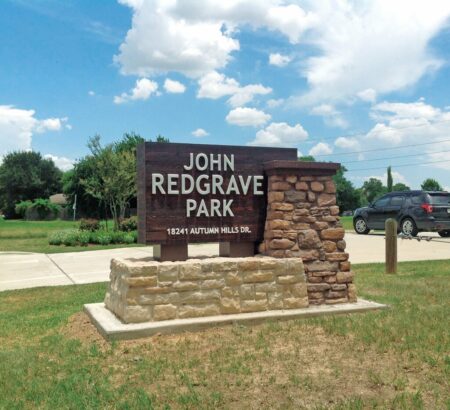
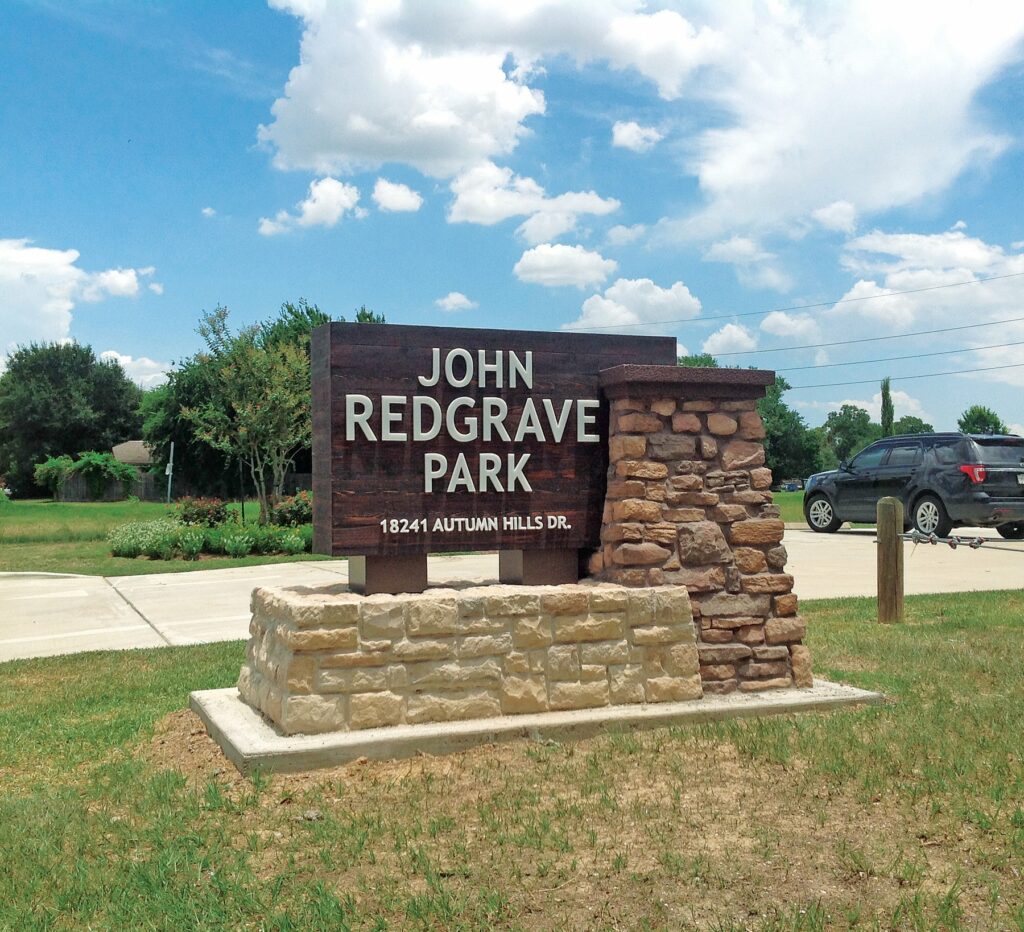
A storefront project may need channel letters that fit the building façade and remain legible from the street. A community, office park, or medical property may need a monument sign that provides a clear entrance identity. A shopping center with highway or road visibility may need a larger pylon sign that organizes tenant names and is readable from a distance.
Browse examples of channel letter signs and monument signs to see how sign format, materials, and placement change based on a property’s needs.
For illuminated signs, ask how the LED components, wiring, and access for future service are planned. Compare the proposed sign’s visibility and operating needs, not only its initial appearance. You can explore LED sign options as part of that decision.
Questions to ask before you hire
Use these questions in your first conversation with each sign company:
- Which parts of this project do you complete in-house?
- Who will be my main contact, and who is responsible for the schedule?
- Will you survey the site before finalizing the design?
- Who handles engineering, permits, landlord approvals, and inspections?
- What electrical sign qualifications and insurance do you carry?
- Can I review drawings or renderings before fabrication begins?
- How do you test and inspect illuminated signs before installation?
- Who will install the sign, and what equipment or site access is needed?
- What is included in the price, and what could trigger a change order?
- What warranty and service support are available after installation?
Clear, specific answers are a positive sign. If a provider can’t explain who is responsible for a key step, ask for the responsibility to be defined in the proposal.
Why in-house production can make a difference
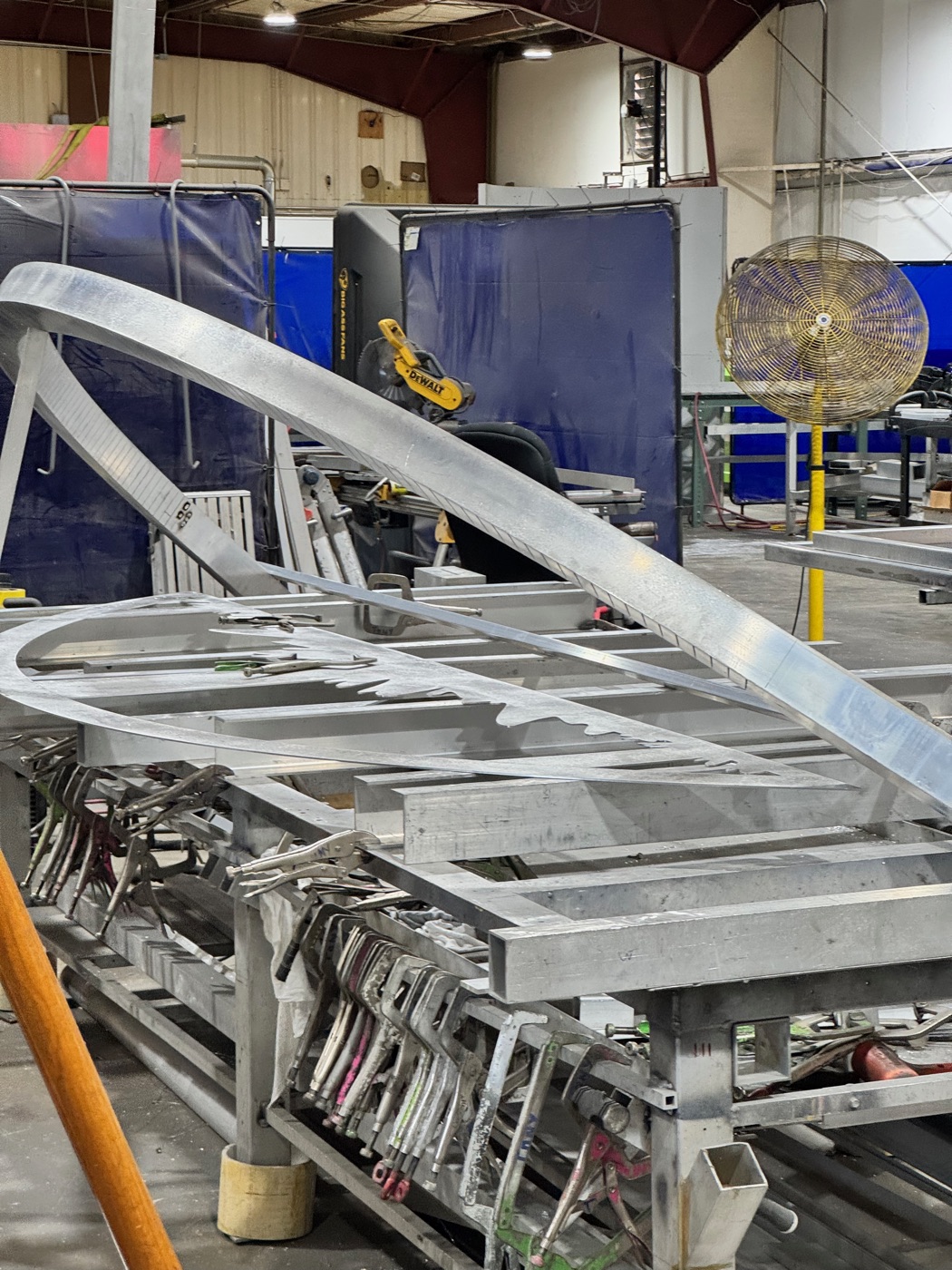
When design, engineering, fabrication, and installation share the same process, decisions can move directly between the people doing the work. That can reduce handoffs and make it easier to catch design or production questions before they become installation-day problems.
4D SignWorx is a licensed and bonded Texas electrical sign contractor. The company designs, engineers, fabricates, and installs commercial signs in-house, with its own licensed crew and equipment. Its process is built around code-compliant drawings and signs that pass inspection the first time. That combination gives customers one accountable company from the first sketch through power-on.
A practical way to make your decision
Choose the sign company that can show it understands your site, define the complete scope, and explain how the project will move from approval to installation. Verify its qualifications and relevant experience. Compare proposals on matching assumptions, and make sure responsibilities for permits, engineering, fabrication, and inspection are clear.
For commercial signs for Texas businesses, a good-looking concept is only one part of a successful project. The sign also needs to fit its location, meet applicable requirements, and be installed by a team that knows how to carry the work through.
If you’re planning a sign for a Houston storefront, commercial property, or multi-tenant site, start with the project details you have and ask for a site-specific conversation. 4D SignWorx has been building in Houston since 1968, with design, fabrication, and installation handled by its own team.