Planning a sign budget is easier when you know what drives the price, and what a quote should include. Commercial signs prices vary widely because each project involves a different combination of sign type, size, materials, lighting, permits, site conditions, and installation needs.
The ranges in this guide can help you build an early budget and compare proposals. They are planning estimates, not a fixed price list. Your final cost depends on the sign design and the conditions at your property. For a closer look at Houston pricing, see the 4D SignWorx commercial sign cost guide.
Typical commercial sign prices by type
Installed prices can vary considerably, even for signs that look similar from the street. These Greater Houston planning ranges offer a useful starting point:
| Sign type | Typical planning range |
|---|---|
| Window vinyl and cut lettering | $300–$1,200 |
| Non-illuminated dimensional letters | $1,500–$6,000 |
| Front-lit LED channel letters | $4,000–$15,000 |
| Halo-lit or reverse channel letters | $6,000–$20,000 |
| Illuminated cabinet or lightbox signs | $2,500–$10,000 |
| Monument signs | $8,000–$35,000 |
| Multi-tenant pylon signs | $25,000–$100,000+ |
| ADA and interior wayfinding signs | $75–$300 per sign |
A range is broad because the scope matters. A simple, non-illuminated sign on an accessible storefront wall is a different project from a tall, illuminated sign that needs new electrical service, engineered supports, permits, and a lift. Ask whether a range covers fabrication only or includes design, permitting, electrical work, installation, and related site work.
What drives the cost of exterior building signs?
Sign size, layout, and quantity
Larger signs use more material and usually require more fabrication and installation time. For letter signs, height, letter count, logo details, and the total width of the layout all affect the estimate. A business name with a custom symbol may take more time to build than a shorter line of standard characters.
Size also has to fit the site. Landlord criteria and local sign rules may limit where a sign can go or how large it can be. Confirm those requirements before approving a design; changing a layout after fabrication can add cost and time.
Sign type and construction
Different sign styles call for different materials and methods. Channel letters are individually fabricated letters, often illuminated from the front or with a halo effect behind them. A cabinet sign uses a sign face within a box-like structure. A monument sign is a freestanding structure at ground level, often built with an aluminum cabinet, masonry, or a combination of materials.
The right choice depends on the building, viewing distance, brand standards, and property rules, not price alone. Explore options for channel letter signs and custom monument signs to see how their applications differ.
Illumination and electrical work
Lighting affects both the sign itself and the work needed to power it. Front-lit letters, halo-lit letters, illuminated cabinets, and digital displays each require specific components and wiring. A project may also need a suitable circuit, conduit, a disconnect, and electrical work coordinated with the building.
If there is no power near the sign location, extending a power supply can add work. Before choosing an illuminated option, ask the sign provider to assess electrical access at the site rather than assuming that a nearby outlet or panel can serve the sign.

Materials, finish, and detailing
Painted aluminum, acrylic faces, routed details, masonry, and stone all have different material and labor requirements. The chosen finish also matters: custom colors or layered brand elements may require additional fabrication steps.
For signs for buildings, the materials should suit both the design and the conditions where the sign will be installed. Ask what materials and finishes are specified, and how the sign will be mounted and maintained. A quote that simply says “custom sign” may not provide enough detail to compare it fairly with another proposal.
Engineering, permits, and property rules
A freestanding sign or a sign mounted high on a building may require engineering documents and structural review. Permit requirements depend on the project and jurisdiction. Landlords may also require design approval, specific mounting methods, or a tenant sign package before work can begin.
These steps affect the overall project budget and schedule. Find out who will prepare the drawings, submit permit applications, respond to review comments, and coordinate landlord approval. If you’re planning a Houston-area project, review the business sign permit information early so those requirements are part of the plan from the start.
Installation access and site conditions
The installation location can change the scope. A ground-level storefront with clear access is usually simpler to work on than an upper-floor façade or a sign above an active drive lane. Difficult access may require a lift or crane, traffic control, after-hours work, or coordination with property management.
Existing signs matter, too. Removal, disposal, wall repairs, or patching around the old mounting points may be separate line items. Ask whether the quote includes them.
How to budget for common sign projects
Storefront identification
A storefront project may include channel letters, a cabinet sign, dimensional letters, or several signs working together. A basic, non-illuminated installation will generally have a lower project cost than an illuminated sign with added electrical work and difficult access. Use the range for your preferred sign type as a starting point, then confirm what the estimate includes.
Think about when and how customers approach the business. A storefront that needs to be visible after dark may benefit from illumination. A destination business in an office park may have different visibility needs from a restaurant beside a busy road.

Property entrance and monument signage
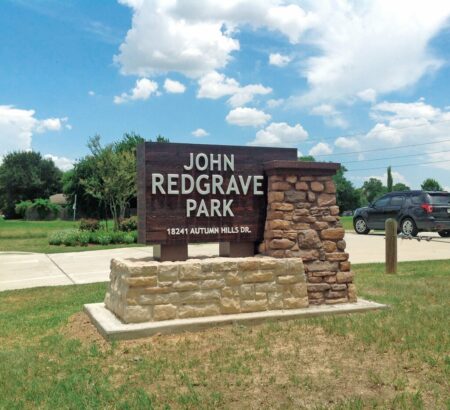
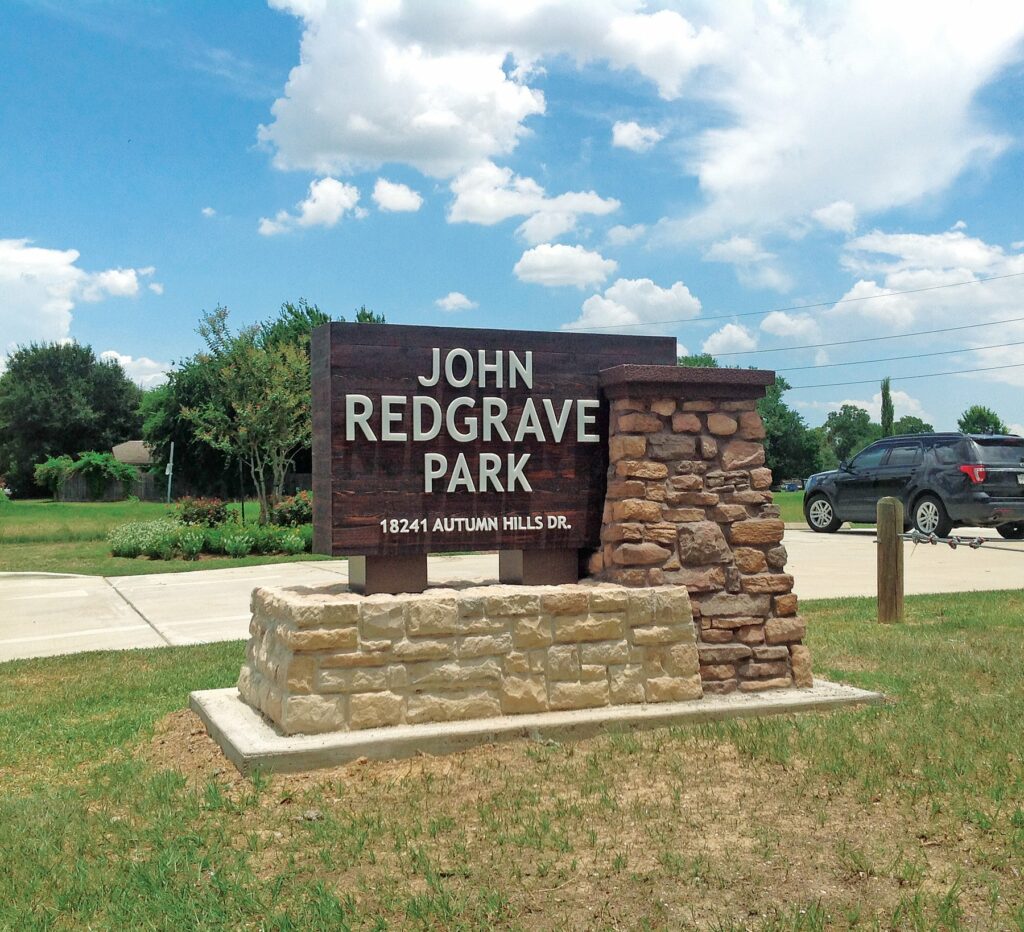
Monument signs can help identify a shopping center, office campus, medical property, or residential community at its entrance. Their price depends on sign dimensions, the structure and finish, illumination, foundation requirements, and the number of tenant panels.
A masonry-faced or multi-tenant sign will often require more coordination and fabrication than a smaller cabinet-style sign. Make sure the estimate identifies whether foundation, engineering, lighting, installation, and landscaping coordination are included.
Digital LED signs
An LED message display adds cost beyond the sign structure. Display size, resolution, brightness, control system, and the cabinet or mounting structure all shape the project. A digital display may also require electrical planning and a suitable location that meets applicable property and local requirements.
Consider what information you need to display and how often it will change. If you’re exploring this option, learn more about LED signs and ask for a proposal that itemizes the display, controls, structure, electrical scope, and installation.
How to compare sign quotes fairly
Two proposals can show different totals because they do not cover the same work. Compare the scope, not just the bottom line. Check whether each quote clearly states:
- The sign type, dimensions, materials, colors, and lighting method
- Design and revision allowances
- Site survey and installation measurements
- Engineering drawings and permit assistance
- Electrical work and connections
- Sign removal, disposal, or wall repairs
- Equipment, access needs, and installation hours
- Warranty terms for materials and illuminated components
- Exclusions, assumptions, and potential additional charges
If one estimate is significantly lower, ask which scope items are missing. A quote may cover fabrication but leave you to arrange permitting, electrical work, or installation separately. That can make the initial price look lower while leaving the final project cost uncertain.
Make the investment fit the business
The best sign budget is one that fits your property, customer needs, and plans for the space. Before approving a design, consider:
How will customers find you? A business that depends on passing traffic may prioritize visibility from the road. A destination business may place more value on clear entrance identification and wayfinding.
How long will you occupy the property? If you have a short lease, confirm what the landlord allows and whether the sign can be removed or reused. For a long-term property investment, a durable sign built for the site may make more sense.
What does the property owner require? Ask for sign criteria before finalizing the design. Approval processes can affect the allowable size, location, materials, and installation method.
What needs to be included beyond the main sign? A storefront may also need a directory panel, entrance sign, or interior wayfinding. Planning related signs together can help keep the overall look consistent and clarify the full budget.

Get a clear price before work begins
A useful quote starts with the actual site conditions and a defined scope. Share the property address, photos, sign criteria, brand files, preferred sign type, and target installation date. If you have a landlord approval package or existing drawings, include those too.
Then ask the sign provider to explain what is included, what is excluded, and which project details still need confirmation. For illuminated exterior building signs, clarify who is handling electrical work and permit coordination. For monument and pylon signs, ask about engineering, foundation work, and installation equipment.
At 4D SignWorx, design, engineering, fabrication, and installation are handled in-house, so the project can be coordinated through one team. A site review helps identify practical details (such as mounting surfaces, power access, and equipment needs) before they become surprises in the field.
Commercial signs prices are easier to manage when you compare complete scopes and plan for the real installation, not just the sign face. Use these ranges to set an initial budget, confirm property and permit requirements, and request an itemized estimate based on your site. When you’re ready to discuss your project, contact 4D SignWorx for a quote.